Most Important Dances for Competitive Exams
| S.No | Dance Form | State/UT | Importance / Key Facts |
| 1 | Ghoomar | Rajasthan | State dance of Rajasthan; performed by Bhil tribe & Rajput royalty. |
| 2 | Kalbelia | Rajasthan | UNESCO Intangible Heritage; known as the ‘Snake Charmer’ dance. |
| 3 | Bhavai | Rajasthan/Gujarat | Balancing 7-9 brass pitchers; dancing on swords/broken glass. |
| 4 | Bhangra | Punjab | High-energy harvest dance performed by men; rhythmic Dhol beats. |
| 5 | Gidda | Punjab | Women’s dance; known for Bolis (couplets) and rhythmic clapping. |
| 6 | Rouf | Jammu & Kashmir | Performed by women during Eid/Spring; features a Pheran costume. |
| 7 | Kud | Jammu & Kashmir | Ritual dance to honor Lok Devtas (local deities) in hilly regions. |
| 8 | Choliya | Uttarakhand | Kumaoni martial dance; dancers carry swords and shields. |
| 9 | Pandav Nritya | Uttarakhand | Based on the Mahabharata; depicts the life of the five Pandavas. |
| 10 | Nautanki | Uttar Pradesh | Most popular folk theater; involves secular storytelling and satire. |
| 11 | Charkula | Uttar Pradesh | Braj region; balancing 108 lit oil lamps on a wooden pyramid. |
| 12 | Raslila | Uttar Pradesh | Depicts the divine love of Radha and Krishna; popular in Mathura. |
| 13 | Chhau (Purulia) | West Bengal | UNESCO Heritage; vigorous masked dance depicting epics. |
| 14 | Baul | West Bengal | Spiritual dance by mystic minstrels; features the Ektara instrument. |
| 15 | Bihu | Assam | Celebrates the three Bihu festivals; features brisk steps and hand movements. |
| 16 | Sattriya | Assam | Classical dance originated in Sattras (monasteries) by Mahapurush Srimanta Sankardev. |
| 17 | Hojagiri | Tripura | Performed by Reang tribe; involves balancing bottles and lamps. |
| 18 | Cheraw | Mizoram | Bamboo dance; rhythmic clashing of bamboo staves. |
| 19 | Wangala | Meghalaya | “100 Drums Festival”; harvest dance of the Garo tribe. |
| 20 | Singhi Chham | Sikkim | “Snow Lion Dance”; pays homage to Mt. Kanchenjunga. |
| 21 | Tamang Selo | Sikkim | Accompanied by the Damphu drum; reflects Tamang culture. |
| 22 | Cham Dance | Ladakh | Masked dance performed by Buddhist monks to ward off evil. |
| 23 | Shondol | Ladakh | Known as the “Royal Dance”; holds a Guinness World Record. |
| 24 | Lava | Lakshadweep | Popular in Minicoy Island; rhythmic drum-based group dance. |
| 25 | Kolkali | Lakshadweep/Kerala | Stick dance; dancers move in circles striking wooden sticks. |
| 26 | Bathukamma | Telangana | Floral festival dance; celebrates nature and womanhood. |
| 27 | Perini Shivatandavam | Telangana | “Dance of Warriors”; revived from Kakatiya dynasty sculptures. |
| 28 | Gussadi | Telangana | Raj Gond tribe; dancers wear peacock feather headgear (Malpur). |
| 29 | Karagattam | Tamil Nadu | Balancing a decorated water pot; dedicated to Goddess Mariamman. |
| 30 | Kavadi Aattam | Tamil Nadu | Performed by devotees of Lord Murugan during Thaipusam. |
| 31 | Silambattam | Tamil Nadu | Ancient martial art-based dance using bamboo staves. |
| 32 | Yakshagana | Karnataka | Traditional theater combining dance, music, and heavy makeup. |
| 33 | Dollu Kunitha | Karnataka | High-energy drum dance performed by the Kuruba community. |
| 34 | Theyyam | Kerala | Ritual dance-drama; performers represent deities through heavy masks. |
| 35 | Kalaripayattu | Kerala | Recognized as the oldest martial art-dance in India. |
| 36 | Kathakali | Kerala | Classical dance-drama; famous for elaborate costumes and “Mudras.” |
| 37 | Mohiniyattam | Kerala | Classical “Dance of the Enchantress”; known for graceful, feminine flow. |
| 38 | Garba | Gujarat | Performed during Navratri around a lamp or Goddess Durga’s idol. |
| 39 | Dandiya Raas | Gujarat | Stick dance representing a mock-fight between Durga and Mahishasura. |
| 40 | Lavani | Maharashtra | Known for its powerful rhythm and the 9-yard (Nauvari) saree. |
| 41 | Dhangari Gaja | Maharashtra | Performed by shepherds (Dhangars) of Solapur to honor local gods. |
| 42 | Ghumura | Odisha | Ancient folk dance using a pitcher-shaped drum; origins in Kalahandi. |
| 43 | Odissi | Odisha | Classical dance; famous for the Tribhanga posture (three-bend body). |
| 44 | Karma Dance | MP/Chhattisgarh | Tribal dance of Gond/Baiga; worships the Karma tree for destiny. |
| 45 | Matki | Madhya Pradesh | Performed by nomadic tribes; balancing earthen pots on the head. |
| 46 | Paika | Jharkhand | Martial folk dance of the Munda community; involves spears/shields. |
| 47 | Bidesiya | Bihar | Folk theater created by Bhikhari Thakur; deals with social issues. |
| 48 | Fugdi | Goa | Performed by women during Ganesha Chaturthi; involves fast spinning. |
| 49 | Tarpa | Dadra & Nagar Haveli | Tribal circle dance; rhythmic wind instrument (Tarpa) is used. |
| 50 | Nicobari Dance | Andaman & Nicobar | Performed during the Pig Festival; celebrates islander unity. |
Practice Set: Folk Dances of India (100 MCQs)
1. Which of the following is the official State Dance of Rajasthan?
A. Kalbelia
B. Ghoomar
C. Bhavai
D. Kachhi Ghodi
Answer: B
2. The ‘Singhi Chham’ (Snow Lion Dance) is a famous folk dance of which state?
A. Arunachal Pradesh
B. Sikkim
C. Himachal Pradesh
D. Ladakh
Answer: B
3. Which community is associated with the ‘Gussadi’ dance in Telangana?
A. Lambadi
B. Chenchu
C. Raj Gond
D. Yerukala
Answer: C
4. ‘Karagattam’ is a popular folk dance of Tamil Nadu performed in honor of which deity?
A. Lord Murugan
B. Goddess Mariamman
C. Lord Shiva
D. Goddess Lakshmi
Answer: B
5. The ‘Hojagiri’ dance of Tripura is performed by which tribe?
A. Tripuri
B. Reang (Bru)
C. Chakma
D. Halam
Answer: B
6. Which dance form of Uttar Pradesh involves balancing a wooden pyramid with 108 lit lamps on the head?
A. Raslila
B. Nautanki
C. Charkula
D. Khyal
Answer: C
7. ‘Choliya’ is a martial folk dance belonging to which region?
A. Garhwal (Uttarakhand)
B. Kumaon (Uttarakhand)
C. Kangra (Himachal Pradesh)
D. Bastar (Chhattisgarh)
Answer: B
8. Which folk dance of West Bengal was recently inscribed on the UNESCO Intangible Cultural Heritage list?
A. Gambhira
B. Raibenshe
C. Purulia Chhau
D. Dhunuchi
Answer: C
9. The ‘Nicobari Dance’ is primarily performed during which festival?
A. Ossuary Feast
B. Bihu
C. Pongal
D. Hornbill Festival
Answer: A
10. ‘Tarpa Dance’ is a rhythmic tribal dance from which Union Territory?
A. Lakshadweep
B. Dadra and Nagar Haveli
C. Puducherry
D. Andaman Islands
Answer: B
11. Which dance of Jammu & Kashmir is performed by women during the spring season?
A. Kud
B. Rouf
C. Dumhal
D. Bachha Nagma
Answer: B
12. The ‘Shondol’ dance, known as the Royal Dance, belongs to:
A. Sikkim
B. Ladakh
C. Bhutan
D. Tibet
Answer: B
13. In which dance of Lakshadweep do performers use wooden sticks similar to Kerala’s Kolkali?
A. Lava
B. Parichakali
C. Kolkali
D. Ulakkamuttu
Answer: C
14. ‘Bhand Pather’ is a traditional folk theater and dance of:
A. Punjab
B. Kashmir
C. Himachal Pradesh
D. Haryana
Answer: B
15. Which of the following dances depicts the love stories of Radha and Krishna in the Braj region?
A. Kathak
B. Raslila
C. Dadra
D. Jogini
Answer: B
16. ‘Lava’ is the most popular folk dance of which island in Lakshadweep?
A. Kavaratti
B. Agatti
C. Minicoy
D. Amini
Answer: C
17. The ‘Garia Dance’ is performed during the New Year festival in which state?
A. Tripura
B. Assam
C. Manipur
D. Mizoram
Answer: A
18. Which dance form involves performers wearing dummy horse costumes on wooden stilts?
A. Kachhi Ghodi (Rajasthan)
B. Poikkal Kuthirai Aattam (Tamil Nadu)
C. Both A and B
D. Neither A nor B
Answer: C
19. ‘Bathukamma’ floral festival dance is synonymous with which state?
A. Andhra Pradesh
B. Telangana
C. Karnataka
D. Odisha
Answer: B
20. ‘Bizu Dance’ is a characteristic folk dance of which community in Tripura?
A. Reang
B. Chakma
C. Mog
D. Garo
Answer: B
21. The ‘Fire Dance’ (Agni Nritya) of Bikaner is performed by the followers of:
A. Kabir
B. Jasnathis
C. Bishnois
D. Nath Panth
Answer: B
22. Which dance of Uttarakhand involves balancing on a tall bamboo pole?
A. Langvir Nritya
B. Chhapeli
C. Jhora
D. Thadya
Answer: A
23. ‘Gambhira’ dance-drama of Malda (West Bengal) is dedicated to:
A. Goddess Durga
B. Lord Shiva
C. Lord Vishnu
D. Goddess Kali
Answer: B
24. The ‘Dappu’ dance is a high-energy percussion dance from:
A. Kerala
B. Tamil Nadu
C. Telangana
D. Karnataka
Answer: C
25. Which of these is a martial art-based dance from Tamil Nadu using bamboo sticks?
A. Silambattam
B. Mayil Aattam
C. Oyilattam
D. Thappattam
Answer: A
26. ‘Pandav Nritya’ of Garhwal narrates stories from which epic?
A. Ramayana
B. Mahabharata
C. Silappadikaram
D. Bhagavad Gita
Answer: B
27. ‘Baul’ songs and dance represent the mystic heritage of:
A. Odisha
B. West Bengal
C. Bihar
D. Jharkhand
Answer: B
28. Which dance of Rajasthan is famous for its fluid movements mimicking a snake?
A. Ghoomar
B. Kalbelia
C. Terah Taali
D. Chari
Answer: B
29. ‘Chu Faat’ is a devotional dance of Sikkim performed to honor:
A. Mount Everest
B. Mount Kanchenjunga
C. River Teesta
D. Lord Buddha
Answer: B
30. The ‘Potharaju’ dance is a key feature of which festival?
A. Bathukamma
B. Bonalu
C. Ugadi
D. Dussehra
Answer: B
31. ‘Nautanki’ is a popular folk theater form primarily found in:
A. Madhya Pradesh
B. Uttar Pradesh
C. Bihar
D. Rajasthan
Answer: B
32. Which community performs the ‘Maruni’ dance in Sikkim?
A. Lepcha
B. Bhutia
C. Nepali
D. Limbu
Answer: C
33. ‘Thapeta Gullu’ is a devotional dance performed by the shepherd community of:
A. Andhra Pradesh/Telangana
B. Tamil Nadu
C. Kerala
D. Karnataka
Answer: A
34. The ‘Cham Dance’ of Ladakh is performed by:
A. Nomads
B. Buddhist Monks
C. Royal families
D. Farmers
Answer: B
35. ‘Lebang Boomani’ dance of Tripura is associated with:
A. War victory
B. Catching insects
C. Marriage
D. Death rituals
Answer: B
36. ‘Rai Dance’ is a celebratory folk dance from which region of Uttar Pradesh?
A. Awadh
B. Braj
C. Bundelkhand
D. Rohilkhand
Answer: C
37. ‘Bhavai’ dance, featuring 7-9 brass pitchers balanced on the head, originated in:
A. Gujarat
B. Rajasthan
C. Both A and B
D. Maharashtra
Answer: C
38. Which dance involves clashing bamboos in rhythmic patterns (popular in Tripura and Mizoram)?
A. Hojagiri
B. Cheraw
C. Bizu
D. Wangala
Answer: B
39. ‘Saang’ (Swang) is a popular folk theater form in:
A. Haryana and Delhi
B. Punjab
C. Rajasthan
D. Uttar Pradesh
Answer: A
40. ‘Dhunuchi Dance’ is a vigorous ritual dance performed during:
A. Diwali
B. Holi
C. Durga Puja
D. Chhath Puja
Answer: C
41. Which dance of Uttarakhand is performed while planting paddy in the fields?
A. Hurkiya Baul
B. Choliya
C. Jhora
D. Barada Nati
Answer: A
42. ‘Perini Shivatandavam’ was the royal dance of which dynasty?
A. Chola
B. Kakatiya
C. Vijayanagara
D. Satavahana
Answer: B
43. ‘Kavadi Aattam’ is a pilgrimage dance dedicated to:
A. Lord Shiva
B. Lord Murugan
C. Lord Vishnu
D. Lord Ganesha
Answer: B
44. ‘Terah Taali’ dance involves tying 13 cymbals to the body. It belongs to:
A. Gujarat
B. Rajasthan
C. Madhya Pradesh
D. Haryana
Answer: B
45. Which Himalayan dance is recognized by UNESCO as Intangible Cultural Heritage?
A. Pandav Nritya
B. Ramman
C. Choliya
D. Jhora
Answer: B
46. ‘Lambadi’ is a semi-nomadic tribal dance found in:
A. Telangana
B. Andhra Pradesh
C. Both A and B
D. Tamil Nadu
Answer: C
47. ‘Oyilattam’ translates to “Dance of ___”:
A. Strength
B. Grace
C. Fire
D. Sword
Answer: B
48. ‘Yak Chham’ is a dance performed in Sikkim to honor:
A. The King
B. The Yak
C. The Mountain God
D. The Forest Spirit
Answer: B
49. ‘Hafiza Dance’ is a traditional wedding dance from:
A. Punjab
B. Kashmir
C. Himachal Pradesh
D. Ladakh
Answer: B
50. The ‘Mando’ dance of Daman and Diu reflects the influence of:
A. British
B. French
C. Portuguese
D. Dutch
Answer: C
51. Which dance features a “Potharaju” character with a whip and turmeric-smeared body?
A. Bonalu
B. Gussadi
C. Perini
D. Dappu
Answer: A
52. ‘Chhapeli’ is a romantic folk dance of:
A. Himachal Pradesh
B. Uttarakhand
C. Jammu & Kashmir
D. Punjab
Answer: B
53. The ‘Wangala’ dance is also known as the “Festival of ___ Drums”:
A. 50
B. 100
C. 500
D. 1000
Answer: B
54. ‘Raibenshe’ is a martial dance form of West Bengal using:
A. Swords
B. Bamboo poles
C. Shields
D. Bows
Answer: B
55. ‘Kikli’ is a popular playful dance for young girls in:
A. Punjab and Chandigarh
B. Rajasthan
C. Uttar Pradesh
D. Bihar
Answer: A
56. ‘Chari’ dance of Rajasthan is primarily performed by the ___ community:
A. Bhil
B. Gujjar
C. Meena
D. Kalbelia
Answer: B
57. ‘Tamang Selo’ is a folk dance of the Tamang community accompanied by the drum called:
A. Dholak
B. Madal
C. Damphu
D. Nagada
Answer: C
58. ‘Villupattu’ or “Bow Song” is a narrative folk form of:
A. Kerala
B. Tamil Nadu
C. Karnataka
D. Andhra Pradesh
Answer: B
59. ‘Gatka’ is a traditional martial art-based performance of:
A. Sikhs
B. Rajputs
C. Marathas
D. Gorkhas
Answer: A
60. ‘Sangrai’ dance of Tripura belongs to which community?
A. Reang
B. Mog
C. Chakma
D. Lusai
Answer: B
61. ‘Karma Dance’ is common to tribal belts in:
A. Jharkhand/Chhattisgarh
B. Uttar Pradesh (Sonbhadra)
C. Both A and B
D. Neither A nor B
Answer: C
62. Which dance involves dancers “wearing” a peacock costume with a moveable tail?
A. Mayil Aattam
B. Chari
C. Ghoomar
D. Kalbelia
Answer: A
63. ‘Oggu Katha’ is a traditional folk narrative of which community in Telangana?
A. Kuruma (Shepherds)
B. Farmers
C. Warriors
D. Goldsmiths
Answer: A
64. ‘Gair Dance’ is a circular stick dance performed during:
A. Diwali
B. Holi
C. Eid
D. Dussehra
Answer: B
65. ‘Jabro’ is a popular folk dance of the nomads in:
A. Spiti Valley
B. Ladakh
C. Sikkim
D. Arunachal Pradesh
Answer: B
66. ‘Khyal’ folk theater is most prominent in which district of UP?
A. Mathura
B. Hathras
C. Lucknow
D. Varanasi
Answer: B
67. ‘Dhumal’ (Dumhal) is a dance of the Wattal tribe performed at:
A. Temples
B. Shrines (Ziarats)
C. Royal Courts
D. Farms
Answer: B
68. ‘Poikkal Kuthirai Aattam’ literally means:
A. Running Horse
B. False Leg Horse
C. Flying Horse

D. Golden Horse
Answer: B
69. ‘Bhavada’ is a masked dance performed by tribes in:
A. Dadra and Nagar Haveli
B. Andaman Islands
C. Lakshadweep
D. Delhi
Answer: A
70. ‘Tusu Dance’ in West Bengal is performed during the month of:
A. Chaitra
B. Pausha (Makar Sankranti)
C. Kartika
D. Ashada
Answer: B
71. Which dance of Telangana is known for the “Teenmaar” drum beat?
A. Bonalu
B. Perini
C. Lambadi
D. Bathukamma
Answer: A
72. ‘Zo-Mal-Lok’ is an agricultural folk dance of the ___ tribe in Sikkim:
A. Bhutia
B. Lepcha
C. Nepali
D. Limbu
Answer: B
73. ‘Khoria’ is a dance performed exclusively by women during weddings in:
A. Haryana/Delhi
B. Punjab
C. Rajasthan
D. Himachal
Answer: A
74. ‘Dhamal’ dance of rural Delhi/Haryana is said to date back to:
A. Mughal Era
B. Mahabharata Era
C. British Era
D. Gupta Era
Answer: B
75. ‘Parichakali’ in Lakshadweep uses which props?
A. Pots
B. Swords and Shields
C. Sticks
D. Candles
Answer: B
76. ‘Gajan’ festival in West Bengal features which dance form?
A. Gambhira
B. Alkap
C. Domni
D. All of the above
Answer: D
77. The ‘Verdigao’ dance of Daman is associated with which community?
A. Tribal
B. Fishermen
C. Farmers
D. Traders
Answer: B
78. ‘Barada Nati’ is a colorful folk dance of the ___ community in Uttarakhand:
A. Bhotiya
B. Jaunsari
C. Tharu
D. Raji
Answer: B
79. ‘Alkap’ is a professional folk performance found in which region?
A. Rural Bengal (Murshidabad/Malda)
B. Odisha
C. Bihar
D. Assam
Answer: A
80. Which dance mimics the act of “Catching colorful insects” in the fields?
A. Lebang Boomani
B. Hojagiri
C. Garia
D. Bizu
Answer: A
81. ‘Khukuri Dance’ is a martial performance of which soldiers?
A. Sikh
B. Gorkha
C. Maratha
D. Rajput
Answer: B
82. ‘Chang’ or ‘Dhamal’ dance in Rajasthan is played using a:
A. Flute
B. Large Tambourine
C. Kettle Drum
D. Lute
Answer: B
83. ‘Thadya’ dance in Garhwal is performed in the:
A. Courtyard
B. Forest
C. River Bank
D. Temple Inner Sanctum
Answer: A
84. ‘Bachha Nagma’ is similar to which Punjabi dance?
A. Bhangra
B. Gidda
C. Jhumar
D. Malwai Gidda
Answer: B
85. ‘Pai-Danda’ is a martial stick dance of the ___ community in Bundelkhand:
A. Rajput
B. Ahir (Shepherd)
C. Brahmin
D. Bania
Answer: B
86. ‘Mentok Stanmo’ in Ladakh is also known as the:
A. Sword Dance
B. Flower Dance
C. Lion Dance
D. Yak Dance
Answer: B
87. ‘Bommalattam’ is the traditional puppetry of:
A. Andhra Pradesh
B. Tamil Nadu
C. Karnataka
D. Kerala
Answer: B
88. ‘Walar’ dance of the Garasia tribe is unique because it uses:
A. No musical instruments
B. Only drums
C. Only flutes
D. 10 different instruments
Answer: A
89. ‘Chindu Bhagavatam’ is a vibrant folk theater of:
A. Karnataka
B. Telangana
C. Tamil Nadu
D. Kerala
Answer: B
90. ‘Kathputli’ puppetry belongs to which state?
A. Gujarat
B. Rajasthan
C. Uttar Pradesh
D. Bihar
Answer: B
91. ‘Jhora’ dance of Kumaon is characterized by its:
A. Fast speed
B. Circular formation and inclusivity
C. Mask usage
D. Sword fighting
Answer: B
92. ‘Oppana’ is a bridal dance common in Lakshadweep and:
A. Tamil Nadu
B. Kerala
C. Karnataka
D. Goa
Answer: B
93. ‘Hai-Hak’ is a post-harvest dance of the ___ community in Tripura:
A. Reang
B. Halam
C. Jamatia
D. Mog
Answer: B
94. ‘Dhobiya Dance’ of UP depicts the relationship between a washerman and his:
A. Wife
B. Donkey
C. Customer
D. Child
Answer: B
95. ‘Singhi Chham’ features dancers dressed as:
A. Tigers
B. Snow Lions
C. Yaks
D. Elephants
Answer: B
96. ‘Terah Taali’ is a ritual dance dedicated to the folk deity:
A. Baba Ramdev
B. Goga Ji
C. Pabuji
D. Tejaji
Answer: A
97. ‘Puliyattam’ in Tamil Nadu involves dancers painted as:
A. Gods
B. Tigers
C. Birds
D. Demons
Answer: B
98. ‘Ulakkamuttu’ of Lakshadweep is performed using:
A. Coconut Shells
B. Pestles/Poles
C. Fish Nets
D. Swords
Answer: B
99. Which dance was popularized during the Kakatiya Dynasty?
A. Kuchipudi
B. Perini Shivatandavam
C. Bharatanatyam
D. Mohiniyattam
Answer: B
100. ‘Nukkad Natak’ is considered the modern “folk voice” of:
A. Mumbai
B. Delhi
C. Kolkata
D. Chennai
Answer: B
Conclusion
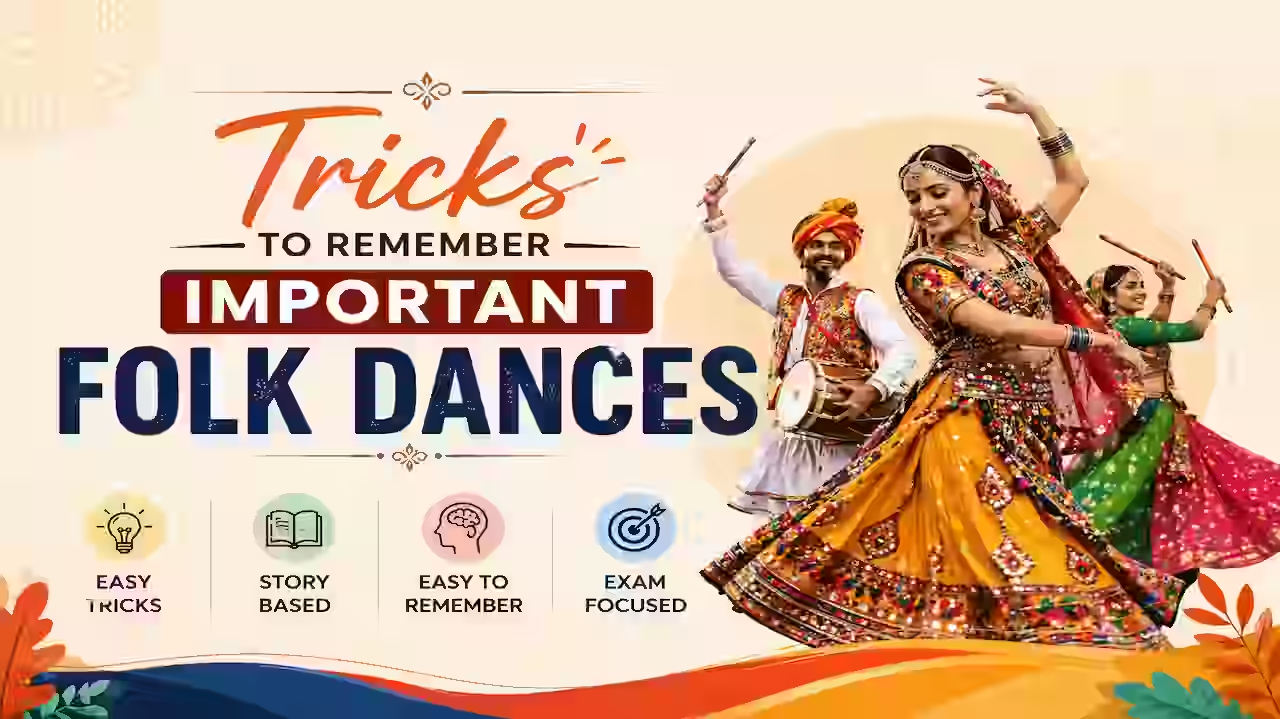
Mastering the diverse folk dances of India is more than just a memorization task; it is an exploration of India’s vast cultural geography. For competitive exams like SSC, UPSC, Banking, and Railways, these dances are high-yield topics that bridge the gap between history and art. However, with over 28 states and UTs to cover, the sheer volume of data can be overwhelming. This is why successful aspirants rely on specific Tricks to Remember Important Folk Dances rather than brute-force memorization.
To achieve true mastery, you must adopt a disciplined approach: Always revise daily. The human brain requires consistent reinforcement to move facts from short-term to long-term memory; a single reading is never enough. Furthermore, do not just rely on external lists or books. Try to create your own mnemonic story codes or personal “tricks” based on your mother tongue or logic. By transforming a dry table of facts into a vivid, personalized story, you ensure that the information stays with you until the final bell of the exam. Consistent repetition and unique personal coding are the only foolproof ways to ensure you don’t get confused between similar-sounding dances on the big day.
Folk Dances of India: Frequently Asked Questions (FAQs)
Q1. Which Indian folk dance is included in the UNESCO Intangible Cultural Heritage list?
A: Several Indian traditions are recognized, but the Chhau Dance (specifically the Purulia, Seraikella, and Mayurbhanj styles) is one of the most prominent folk dances on the UNESCO list. Kalbelia from Rajasthan is also included.
Q2. What is the difference between Folk Dance and Classical Dance?
A: Classical Dances (like Kathak or Bharatanatyam) are based on ancient Shastras and require formal training. Folk Dances (like Bhangra or Garba) are community-based, usually celebrating harvests, festivals, or life events, and are passed down informally through generations.
Q3. Which state is famous for the ‘Bamboo Dance’?
A: While many Northeastern states have variations, the most famous “Bamboo Dance” is the Cheraw Dance from Mizoram. A similar version, also involving bamboo staves, is performed in Tripura.
Q4. What are some effective Tricks to Remember Important Folk Dances?
A: The best way is to use Mnemonic Story Codes. For example, to remember Hojagiri in Tripura, imagine a person named “Giri” balancing a “Ho” (pot) in Tripura. Grouping dances by “Martial,” “Harvest,” or “Mask” categories also helps.
Q5. How can I score full marks in the Art and Culture section of competitive exams?
A: The secret is consistency. Always revise daily because these names can be confusing. Try to create your own code or personal logic for each state. Mapping the dances to their specific tribes or instruments will help you eliminate wrong options in MCQs.