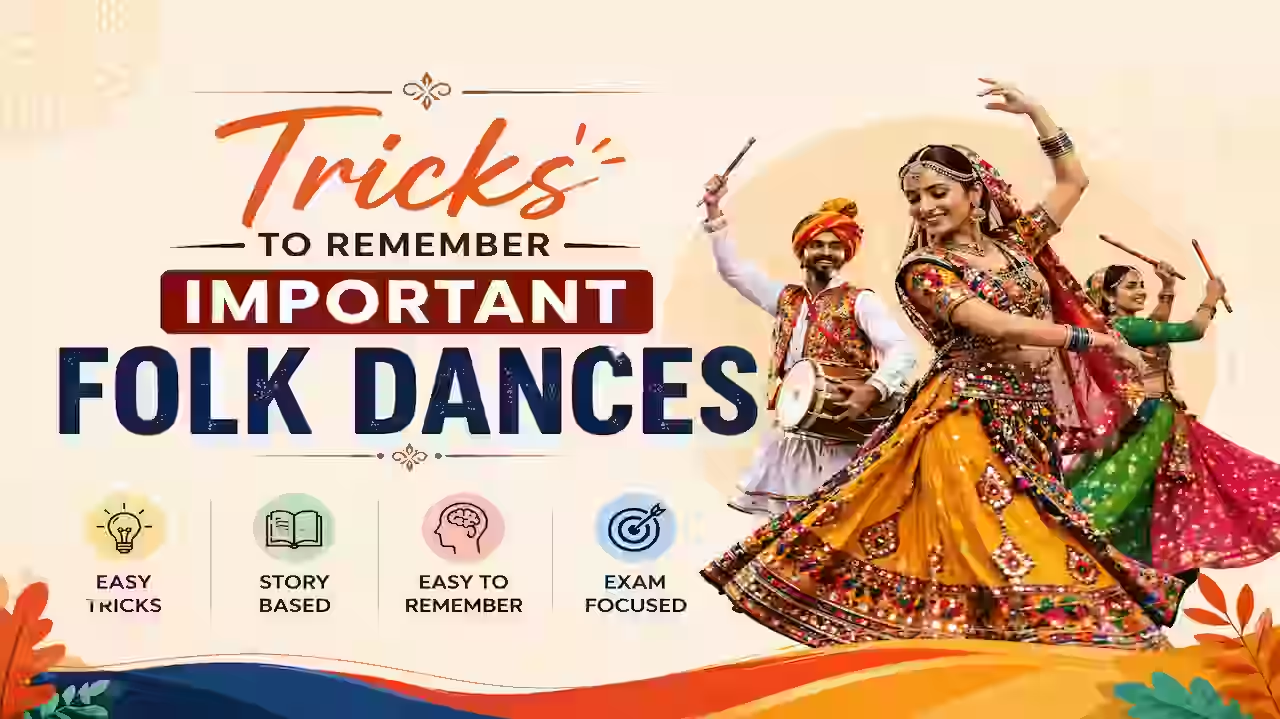
10. Garbi
- Community/Tribe: Men of the Hindu community.
- Occasion/Festival: Navratri.
- Theme/Purpose: Devotional; specifically dedicated to Lord Krishna.
- Costumes and Props: Kedia and colorful turbans.
- Music/Instruments: Dhol and rhythmic chanting.
- Gender Participation: Men.
- Type: Ritual / Religious.
- Important Facts: While Garba is primarily for women, Garbi is the male-exclusive counterpart, usually performed with more vigorous and fast-paced movements.
Folk Dances of Haryana
Code: D, P, L, G, K, S, J, D, C, G
Story: Desi People Love Group Khel, Singing Jat Dances in Courtyard Grounds.
1. Dhamaal Dance
- Community/Tribe: Ahir and Jat communities.
- Occasion/Festival: Performed on moonlit nights in the spring/harvest season.
- Theme/Purpose: Celebration of a successful harvest.
- Costumes and Props: Dancers carry large Daphs (tambourines) decorated with colorful tassels.
- Music/Instruments: Daph, Dholak, and Sarangi.
- Gender Participation: Men.
- Type: Seasonal / Social.
- Important Facts: This dance is said to date back to the time of the Mahabharata. It is noted for its rhythmic movements and vibrant energy.
2. Phag Dance
- Community/Tribe: Farmers and rural folk.
- Occasion/Festival: Performed during the month of Phalgun (around Holi).
- Theme/Purpose: Welcoming spring and celebrating the harvest.
- Costumes and Props: Men wear colorful turbans; women wear traditional “Lehenga” and “Odhni.”
- Music/Instruments: Tasha, Nagada, and Dholak.
- Gender Participation: Both (performed together).
- Type: Seasonal.
- Important Facts: It is a high-spirited dance where participants often splash colors on each other, mimicking the spirit of Holi.
3. Loor Dance
- Community/Tribe: Girls of the Bangar region.
- Occasion/Festival: Performed during the Holi festival.
- Theme/Purpose: It takes the form of a question-and-answer dialogue through song.
- Costumes and Props: Traditional Haryanvi attire.
- Music/Instruments: Rhythmic clapping and folk singing.
- Gender Participation: Women.
- Type: Social / Seasonal.
- Important Facts: The word “Loor” means girl in the local dialect. The dance often depicts social issues or marriage-related humor.
4. Gugga Dance
- Community/Tribe: Devotees of Gugga Pir (Snake God).
- Occasion/Festival: Gugga Naumi (in the month of Bhadrapada).
- Theme/Purpose: Ritualistic; to seek protection from snakes and general prosperity.
- Costumes and Props: Dancers carry a long pole called “Chhari” decorated with fans and peacock feathers.
- Music/Instruments: Deru (small wooden drum) and Thali.
- Gender Participation: Men.
- Type: Ritual / Religious.
- Important Facts: Dancers move in a procession, often self-flagellating with iron chains in a trance-like state of devotion.
5. Khoria Dance
- Community/Tribe: Women of rural Haryana.
- Occasion/Festival: Performed during weddings (specifically when the groom leaves with the Baraat).
- Theme/Purpose: Entertainment and warding off the “evil eye” from the house.
- Costumes and Props: Heavy gold jewelry and vibrant ghaghras.
- Music/Instruments: Dholak and folk singing.
- Gender Participation: Women.
- Type: Ritual / Social.
- Important Facts: Since only women stay behind during the wedding, they perform this to stay awake and celebrate among themselves with humor and mimicry.
6. Saang (Swang)
- Community/Tribe: Professional folk theater groups.
- Occasion/Festival: Village fairs and social gatherings.
- Theme/Purpose: Storytelling, satire, and moral education.
- Costumes and Props: Elaborate theatrical costumes; involves cross-dressing.
- Music/Instruments: Harmonium, Dholak, and Sarangi.
- Gender Participation: Men (traditionally play female roles).
- Type: Folk Theater.
- Important Facts: Pandit Lakhmi Chand is considered the “Shakespeare of Haryana” for his contributions to Saang culture.
7. Jhummar Dance
- Community/Tribe: Married women.
- Occasion/Festival: Festivals and social celebrations.
- Theme/Purpose: Celebration of marital bliss and ornamentation.
- Costumes and Props: Named after the Jhummar (forehead ornament) worn by women.
- Music/Instruments: Thali and Dholak.
- Gender Participation: Women.
- Type: Social.
- Important Facts: Often called the “Gidda of Haryana” due to its resemblance to the Punjabi folk dance.
8. Daph Dance
- Community/Tribe: Rural farmers.
- Occasion/Festival: Post-harvest season.
- Theme/Purpose: Expressing joy over a good crop yield.
- Costumes and Props: Dancers carry the Daph (large hand-drum).
- Music/Instruments: Daph and Beas.
- Gender Participation: Men.
- Type: Seasonal / Agricultural.
- Important Facts: The rhythm of the dance is dictated entirely by the beating of the Daph.
9. Chhati Dance
- Community/Tribe: All communities.
- Occasion/Festival: Performed on the sixth day after the birth of a male child.
- Theme/Purpose: To celebrate the new arrival and pray for the child’s long life.
- Costumes and Props: Traditional festive wear.
- Music/Instruments: Dholak and singing.
- Gender Participation: Women.
- Type: Ritual / Social.
- Important Facts: Customarily, boiled wheat and chana (Bakli) are distributed among the participants.
10. Ghoomar Dance
- Community/Tribe: Women of southern Haryana (bordering Rajasthan).
- Occasion/Festival: Festivals and weddings.
- Theme/Purpose: Social celebration and grace.
- Costumes and Props: Wide-flaring colorful skirts.
- Music/Instruments: Dholak and Manjira.
- Gender Participation: Women.
- Type: Social.
- Important Facts: While inspired by Rajasthan, the Haryanvi version has distinct footwork and local folk songs.
Folk Dances of Himachal Pradesh
Code: N, C, K, D, J, C, C, R, S, L.
Story: Nature Covered Kullu Dancers Join Cold Celebrations, Rhythmic Steps in Lines.
1. Nati
- Community/Tribe: Various local communities (Kullu, Shimla, Lahaul-Spiti).
- Occasion/Festival: Performed during all major festivals, weddings, and local fairs.
- Theme/Purpose: General celebration and community bonding.
- Costumes and Props: Men wear “Chola” (long coat) and “Sultan” (pajamas) with a distinctive Kullu Cap; women wear colorful “Reide” (headgear) and heavy silver jewelry.
- Music/Instruments: Dhol, Nagara, Shehnai, and Karnal (long brass trumpet).
- Gender Participation: Both (Men and Women).
- Type: Social / Seasonal.
- Important Facts: It is listed in the Guinness World Record as the largest folk dance in terms of participants. Each region has its own version, like Kulluvi Nati or Kinnauri Nati.
2. Chham Dance (Devil Dance)
- Community/Tribe: Buddhist Monks (Lamas) in monasteries.
- Occasion/Festival: Performed during Losar (Tibetan New Year) and local Monastic festivals.
- Theme/Purpose: Destruction of evil spirits and the victory of good.
- Costumes and Props: Elaborate masks depicting deities or demons and heavy silk robes.
- Music/Instruments: Cymbals, long brass horns (Dungchen), and drums.
- Gender Participation: Men (Monks).
- Type: Ritual / Religious.
- Important Facts: It is intended to meditate on the nature of the mind and ward off negative energy for the coming year.
3. Kayang Mala
- Community/Tribe: Kinnauri community.
- Occasion/Festival: Festivals and social gatherings.
- Theme/Purpose: Social harmony; the dancers form a “garland.”
- Costumes and Props: Traditional Kinnauri woolen attire and silver ornaments.
- Music/Instruments: Traditional drums and flutes.
- Gender Participation: Both.
- Type: Social.
- Important Facts: Dancers weave their arms together to form a garland-like pattern, symbolizing unity.
4. Dandras
- Community/Tribe: Gaddi Tribe (Shepherds).
- Occasion/Festival: Local fairs and community gatherings.
- Theme/Purpose: Celebration of the nomadic lifestyle and religious devotion.
- Costumes and Props: Dancers carry sticks and wear the “Dora” (long rope tied around the waist).
- Music/Instruments: Nagara and Dhol.
- Gender Participation: Men.
- Type: Tribal / Social.
- Important Facts: It is a high-energy stick dance where the tempo increases significantly toward the end.
5. Jhora Dance
- Community/Tribe: People of the Mahasu region.
- Occasion/Festival: Fairs and spring festivals.
- Theme/Purpose: To celebrate the arrival of the spring season.
- Costumes and Props: Traditional hill attire.
- Music/Instruments: Dholak and Thali.
- Gender Participation: Both.
- Type: Seasonal.
- Important Facts: It is performed in a circle where participants link hands and move rhythmically.
6. Cholamba Dance
- Community/Tribe: Local hill tribes of Ropa Valley.
- Occasion/Festival: Performed after the killing of a tiger.
- Theme/Purpose: Commemorative; honors the hunt and the animal’s spirit (tiger specifically).
- Costumes and Props: Dancers may wear animal skins or masks.
- Music/Instruments: Indigenous drums and horns.
- Gender Participation: Both.
- Type: Ritual / Hunting.
- Important Facts: One of the unique “hunting-themed” dances of the Himalayan region.
7. Chhanak Chham
- Community/Tribe: Buddhist communities of Lahaul and Spiti.
- Occasion/Festival: Once every three years during the Chakhar Festival.
- Theme/Purpose: Devotional; dedicated to Lord Buddha.
- Costumes and Props: Dancers wear headgear made of feathers and masks.
- Music/Instruments: Traditional monastic percussion.
- Gender Participation: Men.
- Type: Ritual.
- Important Facts: Known for its slow, dignified movements that represent a meditative state.
8. Rakshasa Dance (Demon Dance)
- Community/Tribe: Kinnauri community.
- Occasion/Festival: Ritualistic festivals.
- Theme/Purpose: Representing the demons that once inhabited the mountains.
- Costumes and Props: Masks representing demons.
- Music/Instruments: Drums and cymbals.
- Gender Participation: Men.
- Type: Ritual / Mythological.
- Important Facts: It illustrates the ancient mythological battles fought in the mountain regions.
9. Shunto
- Community/Tribe: Buddhist tribes of the higher Himalayas.
- Occasion/Festival: Social events and festivals.
- Theme/Purpose: Praise of Lord Buddha and the local gods.
- Costumes and Props: Traditional woolen gowns.
- Music/Instruments: Folk singing and rhythmic clapping.
- Gender Participation: Men.
- Type: Religious / Social.
- Important Facts: It is more focused on the vocal chanting and slow rhythmic steps than complex movements.
10. Losar Shona Chuksam
- Community/Tribe: Kinnauri community.
- Occasion/Festival: Losar (Tibetan New Year).
- Theme/Purpose: To welcome the New Year with joy and hope.
- Costumes and Props: Ornate Kinnauri caps and traditional jewelry.
- Music/Instruments: Folk instruments like the Dhol and Nagara.
- Gender Participation: Both.
- Type: Seasonal / New Year.
- Important Facts: It combines the local Kinnauri traditions with Tibetan cultural influences.
Folk Dances of Jharkhand
Code: C, P, S, K, S, J, M, B, D, F.
Story: Chhau Performers Sing, Kicking Steps, Joining Madal Beats, Dancing in Forests.
1. Chhau Dance (Seraikella Style)
- Community/Tribe: Indigenous communities of Seraikella.
- Occasion/Festival: Performed during Chaitra Parva (Spring festival).
- Theme/Purpose: Narrative storytelling of the Ramayana, Mahabharata, and nature.
- Costumes and Props: Dancers wear highly artistic masks made of papier-mâché and stylized costumes.
- Music/Instruments: Nagada, Dhol, and Shehnai.
- Gender Participation: Traditionally Men.
- Type: Ritual / Martial / Dance-Drama.
- Important Facts: The Seraikella Chhau is one of the three main styles of Chhau (alongside Purulia and Mayurbhanj). It was inscribed on the UNESCO Intangible Cultural Heritage list in 2010.
2. Paika Dance
- Community/Tribe: Munda and other tribal communities.
- Occasion/Festival: Weddings, religious processions, and welcoming guests.
- Theme/Purpose: A martial dance depicting the preparation for war and physical bravery.
- Costumes and Props: Dancers wear colorful turbans and carry a Shield and Sword.
- Music/Instruments: Nagada, Dhak, and Shehnai.
- Gender Participation: Men.
- Type: Martial / Folk.
- Important Facts: “Paika” refers to foot soldiers. It is a highly energetic display of mock combat and agility.
3. Santhali Dance
- Community/Tribe: Santhal Tribe.
- Occasion/Festival: Performed during the Sohrai (harvest) and Sarhul festivals.
- Theme/Purpose: To celebrate the beauty of nature and social harmony.
- Costumes and Props: Women wear traditional Santhali sarees (checkered) and flowers in their hair; men wear dhotis.
- Music/Instruments: Madal (clapper drum) and Flute.
- Gender Participation: Both (Men and Women).
- Type: Social / Tribal.
- Important Facts: Dancers form an interconnected chain and move in a graceful, rhythmic swinging motion. It is one of the most organized and synchronized tribal dances in India.
4. Karma Dance
- Community/Tribe: Oraon, Munda, and Baiga tribes.
- Occasion/Festival: Karma Festival (month of Bhadrapada).
- Theme/Purpose: Worship of the “Karma” tree; praying for good luck and prosperity.
- Costumes and Props: Dancers use branches of the Karma tree.
- Music/Instruments: Madal and Dhol.
- Gender Participation: Both.
- Type: Ritual / Agricultural.
- Important Facts: It marks the transition from the rainy season to the harvest season. The dance is symbolic of human dependence on nature.
5. Sarhul Dance
- Community/Tribe: Oraon and Munda tribes.
- Occasion/Festival: Sarhul Festival (Spring).
- Theme/Purpose: Worship of the Sal Tree; celebrating the new flowers of the forest.
- Costumes and Props: Traditional tribal wear decorated with Sal flowers.
- Music/Instruments: Nagada and Madal.
- Gender Participation: Both.
- Type: Ritual / Seasonal.
- Important Facts: Sarhul is the most important tribal festival in Jharkhand, marking the tribal New Year.
6. Jhumair (Jhumur)
- Community/Tribe: Sadan (non-tribal local) and tribal communities.
- Occasion/Festival: Post-harvest season and fairs.
- Theme/Purpose: General celebration, joy, and storytelling of daily life.
- Costumes and Props: Traditional festive attire.
- Music/Instruments: Madal, Dhol, and Bansi (flute).
- Gender Participation: Both (often categorized as Mardana Jhumair and Janani Jhumair).
- Type: Social.
- Important Facts: It is characterized by rhythmic footwork and a “swinging” body movement. The songs accompanying the dance are often based on the love of Radha and Krishna.
7. Mundari Dance
- Community/Tribe: Munda Tribe.
- Occasion/Festival: Weddings and major community gatherings.
- Theme/Purpose: Social celebration and preservation of Munda identity.
- Costumes and Props: Traditional silver jewelry and woven textiles.
- Music/Instruments: Madal and Nagada.
- Gender Participation: Both.
- Type: Social / Tribal.
- Important Facts: The dance involves intricate footwork where participants move in circular or semi-circular formations.
8. Barao Dance
- Community/Tribe: Oraon Tribe.
- Occasion/Festival: Performed during the spring season.
- Theme/Purpose: General joy and celebration of the changing seasons.
- Costumes and Props: Traditional Oraon attire.
- Music/Instruments: Madal and rhythmic clapping.
- Gender Participation: Both.
- Type: Seasonal.
- Important Facts: Characterized by fast leg movements and high energy.
9. Domkach
- Community/Tribe: Various tribal and non-tribal communities.
- Occasion/Festival: Performed in the house of the groom during weddings.
- Theme/Purpose: Entertainment and warding off evil while the men are away with the Baraat.
- Costumes and Props: Dancers often use comedic props or masks.
- Music/Instruments: Dholak and folk singing.
- Gender Participation: Primarily Women.
- Type: Social / Ritual.
- Important Facts: It is a spirited, humorous dance filled with satire and playfulness.
10. Fagua Dance
- Community/Tribe: Various local communities.
- Occasion/Festival: Performed during the Holi (Fagua) festival.
- Theme/Purpose: Celebrating the colors of spring and mythological victory of good over evil.
- Costumes and Props: Dancers carry traditional drums and splash colors.
- Music/Instruments: Nagada and Dhol.
- Gender Participation: Both (primarily men).
- Type: Seasonal / Social.
- Important Facts: It is often accompanied by “Fagua” folk songs, which are high-pitched and energetic.
Folk Dances of Karnataka
Code: Y, D, H, K, B, G, S, V, K, P, L
Story: Yakshagana Dancers Honor Karnataka, Beating Gongs, Showing Vibrant Kamsale Performances Live.
1. Yakshagana
- Community/Tribe: Professional artist troupes (Melas).
- Occasion/Festival: Performed during the winter months (November to May) in temple courtyards.
- Theme/Purpose: Narrative storytelling of the Ramayana, Mahabharata, and Puranas.
- Costumes and Props: Massive headgears (Kirita), heavy makeup, and elaborate costumes.
- Music/Instruments: Chande (drum), Maddale, and Cymbals. Led by a Bhagavatha (singer/narrator).
- Gender Participation: Traditionally Men (who also play female roles).
- Type: Dance-Drama / Folk Theater.
- Important Facts: It is one of the most sophisticated folk forms in India, combining dance, music, dialogue, and costume.
2. Dollu Kunitha
- Community/Tribe: Kuruba community (Shepherds).
- Occasion/Festival: Performed during festivals like Maha Shivaratri and village fairs.
- Theme/Purpose: Devotional; dedicated to Beereshwara (a form of Lord Shiva).
- Costumes and Props: Dancers wear simple dhotis and carry a Dollu (a large, decorated drum) tied to their waists.
- Music/Instruments: The rhythmic beating of the Dollu and Talam (cymbals).
- Gender Participation: Primarily Men.
- Type: Ritual / Percussive.
- Important Facts: Known for its thunderous sound and high-speed synchronized circular movements.
3. Hulivesha (Tiger Dance)
- Community/Tribe: Coastal Karnataka youth (Tuluva community).
- Occasion/Festival: Performed during Dasara and Krishna Janmashtami.
- Theme/Purpose: Worship of Goddess Durga, whose vahana (vehicle) is a tiger.
- Costumes and Props: Dancers have their entire bodies painted like tigers/leopards and wear masks.
- Music/Instruments: Tashe and Akka drums.
- Gender Participation: Men.
- Type: Ritual / Social.
- Important Facts: Dancers perform acrobatic stunts like flipping and picking up coins with their mouths.
4. Kamsale
- Community/Tribe: Devotees of Lord Mahadeshwara (Kuruba/Lingayat).
- Occasion/Festival: Pilgrimages and festivals at the Male Mahadeshwara Hills.
- Theme/Purpose: Devotional; praising the glory of the deity.
- Costumes and Props: Dancers carry Kamsale (brass cymbals, where one is a plate and the other is a cup).
- Music/Instruments: The sound is produced by the rhythmic clashing of the Kamsale.
- Gender Participation: Men.
- Type: Ritual / Devotional.
- Important Facts: It is a unique blend of rhythmic music and martial-like movements using cymbals.
5. Bhoota Kola
- Community/Tribe: Coastal Tuluva community.
- Occasion/Festival: Annual village festivals (Kolas).
- Theme/Purpose: Ritualistic spirit worship; communicating with local deities (Bhootas).
- Costumes and Props: Massive “Ani” (bamboo structure) on the back, heavy makeup, and palm leaf ornaments.
- Music/Instruments: Temere and Pipari (traditional wind instruments).
- Gender Participation: Men.
- Type: Ritual / Shamanistic.
- Important Facts: The performer is believed to be possessed by the spirit during the dance to provide solutions to village problems.
6. Goravara Kunitha
- Community/Tribe: Goravas (devotees of Lord Mailara Linga).
- Occasion/Festival: Religious gatherings and fairs.
- Theme/Purpose: Devotional worship of Mailara Linga.
- Costumes and Props: Cap made of bear fur, black wool blanket (Kumbli), and carrying a Damaru and Flute.
- Music/Instruments: Damaru (small drum) and Flute.
- Gender Participation: Men.
- Type: Ritual.
- Important Facts: The black costume and fur cap symbolize the “Vahana” (vehicle) of the lord.
7. Suggi Kunitha
- Community/Tribe: Halakki Vokkaliga community.
- Occasion/Festival: During the Suggi (Harvest) festival.
- Theme/Purpose: Gratitude for a successful crop.
- Costumes and Props: Dancers wear turbans decorated with colorful bird feathers and flowers.
- Music/Instruments: Gummate (clay pot drum).
- Gender Participation: Men.
- Type: Seasonal / Agricultural.
- Important Facts: It is characterized by graceful jumps and circular patterns.
8. Veeragase
- Community/Tribe: Lingayat community.
- Occasion/Festival: Dasara and Shravana month.
- Theme/Purpose: Religious; depicting the story of Veerabhadra (Shiva’s form) destroying Daksha’s sacrifice.
- Costumes and Props: Vibrant red dresses, headgear, and wooden plaques with images of deities.
- Music/Instruments: Sambala and Dimmu (drums).
- Gender Participation: Men.
- Type: Ritualistic.
- Important Facts: One of the most aggressive and high-energy folk dances of Karnataka.
9. Karaga Kunitha
- Community/Tribe: Thigala community.
- Occasion/Festival: Bangalore Karaga (Chaitra Purnima).
- Theme/Purpose: Honoring Goddess Draupadi.
- Costumes and Props: The lead dancer balances a metal pot (Karaga) decorated with flowers on their head.
- Music/Instruments: Thavil and Nadaswaram.
- Gender Participation: Men (the lead dancer is a male priest dressed in feminine attire).
- Type: Ritual.
- Important Facts: The Karaga must be balanced without being touched by hands throughout the long procession.
10. Puja Kunitha
- Community/Tribe: General rural communities of Mandya/Mysore.
- Occasion/Festival: Village fairs and deity processions.
- Theme/Purpose: Worship of local deities.
- Costumes and Props: Dancers balance a bamboo frame (decorated with colorful clothes and flowers) on their heads.
- Music/Instruments: Pambai and drums.
- Gender Participation: Men.
- Type: Ritual.
- Important Facts: The visual appeal comes from the colorful, towering structure balanced perfectly while the dancer moves.